
How to Become a Humane Educator: Starter Tips for Youth Leaders
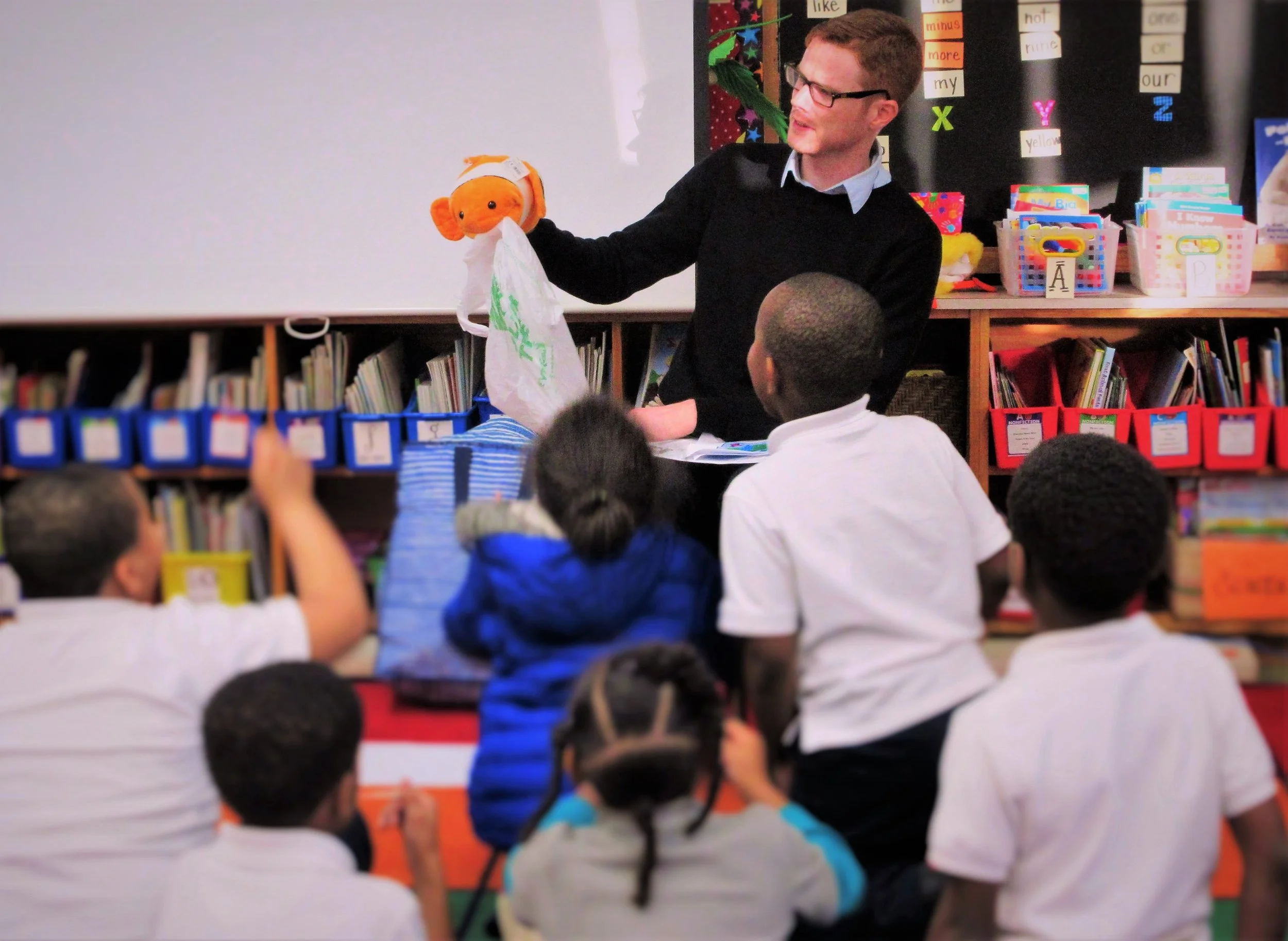
HEART educator teaching a lesson on ocean waste.
In addition to classroom programs, here at HEART, we do after-school programs, summer camps, library visits, youth fairs, and YMCA visits. Basically, if kids are gathered, we’re thrilled to teach them in any established venue. We know based on personal experience how impactful youth groups and youth leaders can be. The programs tend to be more flexible than traditional classrooms allowing for service learning activities, field trips, and group projects.Here are some tips to help bring humane education into your youth group.
Hands-on Humane Activities
Hands-on activities are a great way to educate your kids and provide them with experiential learning opportunities. If you know your kids are particularly passionate about an issue, contact a local nonprofit that specializes in that issue and see if they can create anything to help out. For example, in New York City in our Caring Kids after-school program our youth make dog treats and catnip toys out of socks for animals at Animal Haven Shelter. When we asked Save the Chimps what they might need for their primate residents, they asked for paper mâché balls. You can also look through our blog and in our Humane Resource Guide for other activities you can do with kids.
Go on Humane Fields Trips
It’s one thing to learn about a problem. It’s another to take a field trip and gain a more personal connection with the subject matter. After teaching kids in our summer camps about factory farming and the emotional lives of farm animals we take them to a farm animal sanctuary to meet the residents. We visit animal shelters after learning about puppy mills and companion animal overpopulation. We go to museums that teach children about the history of social justice. Consider exploring a topic with the kids in your group and then taking a field trip in your area. It could be to a National Wildlife Refuge or the home of a historic human rights activist. It all depends on what is available in your area.
Take Part in Service Projects/Volunteering
We love service learning projects because at the end of the day kids can see what they have accomplished to make the world a better place. Perhaps they want to pick up trash around their local waterways, plant native trees, pull up invasive plant species, or help sort food at a food bank, walk dogs at the shelter. Whether you have twenty minutes or twenty hours, there is always something positive that you can do.
Take Youth on a Nature Walk
These days when kids aren’t in the classroom they can often be found in front of some sort of screen. Youth spend their afternoons and weekends with eyes locked on tablets, smartphones, televisions and computers. While there is certainly something to be learned on all of those devices, kid are no longer spending as much time out in nature. Considering the vast array of benefits young people get from exposure to the natural world, we as humane educators want to try and provide them with more access to the great outdoors. According to studies a child’s stress levels decrease within minutes of entering green spaces and makes kids nicer, helping to enhance their interpersonal relationships.Take your youth group on a nature walk to help their physical and mental wellbeing and to help them develop reverence for plants and animals. Popular activities on nature walks include bird watching, finding and identifying different plants, scavenger hunts for natural items like specific kinds of trees or birds, photography, and drawing what the children see.
Bring in Guest Speakers
Contact your local nonprofits, authors, naturalists and activists to find people to come in and give guest talks to your youth. The kids get to learn something new and about the important work being done to help address a social justice issue. Many organizations have education programs and are thrilled to send someone out to speak to youth.