Consumer Choices and Their Effect on the Planet
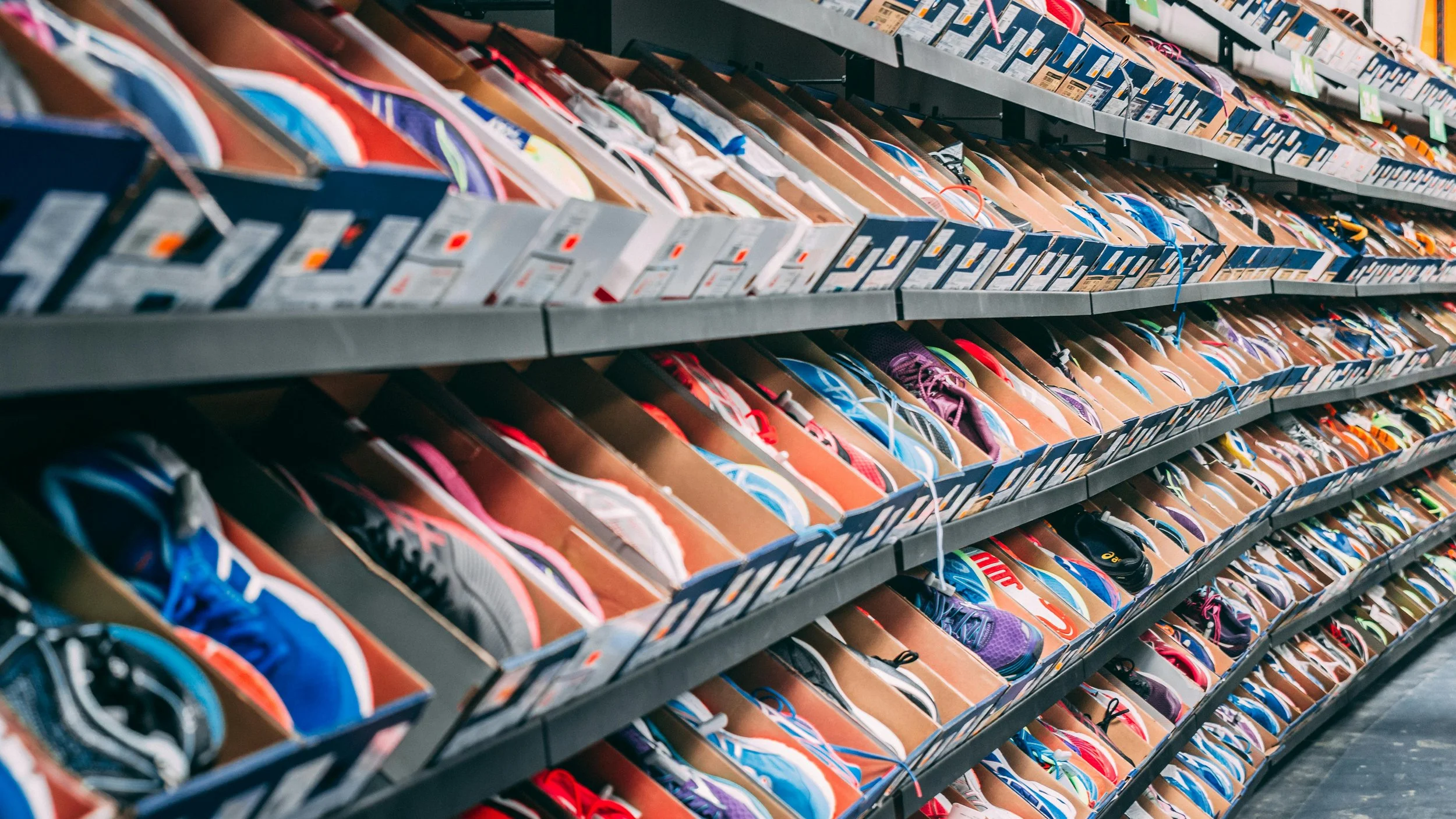
As the human population (estimated at 8.2 billion) continues to grow, the creation and distribution of products driven by consumer choices are causing significant damage to the planet and its inhabitants. Consumers often are unaware of the people growing and making the things we buy, how the production of those goods affects individuals who make them as well as the environment, the resources used to make the products, what happens to the products (including packaging) after they are eventually disposed of, and the impact all of this has on the planet and those living on it.
When we go to the store to purchase an item, we might consider convenience, brand reputation, and/or how badly we want or need it. For many, however, the price tag often trumps these considerations. The selling price is generally determined by the financial costs incurred by the company (e.g., manufacturing, shipping, selling the item, etc.). These costs are considered internal costs: the costs borne by the company. The company’s profit is the difference between these costs and the selling price.
External costs are not factored into the item’s selling price because the company does not bear these costs; society does. Examples of external costs include health problems related to manufacture and use of an item, and environmental damage caused during the lifecycle of an item. External costs are often complex and opaque and can be difficult to unpack.
Looking at an item’s true cost, which takes into account both internal and external costs, helps us determine if the benefits of an item outweigh its internal and external costs. True cost looks at the entire process of materials extraction, production, distribution, consumption, and disposal. HEART’s lesson, How Much Does That Really Cost? gives several examples of how to determine an item’s approximate true cost.
So, what influences many of the consumer choices we make? It probably comes as no surprise that advertising plays a big role. Spending on ads in the U.S. totals more than a half-trillion dollars annually! Advertising encourages us to buy and consume more and more, regardless of true need. We encounter ads seemingly everywhere, including TV, print media, radio, internet websites, social media, product placement on TV shows and movies, billboards, recreational venues like sports and concert stadiums, and much more. Not surprisingly, the ads don’t mention external costs of the items they try to convince us to buy. We are left to believe that the only cost worth considering is what we pay at the register. HEART’s lesson, True Ads, shows us how to think critically when we see or hear an ad, and what an ad might look like if the company made external costs visible to us.
Knowing an item’s true cost can help in making more humane choices: ones that do more good and less harm. It’s important to remember that in a capitalist economy, we vote with our dollars. Every time we make a purchase, we’re basically saying, “Make more of that.” When we choose to spend our money on items that do more good and less harm, the more likely it will be that those items will be made available to us in the future.
Some people may feel that the more humane choices are more expensive and therefore beyond their means. This is sometimes true, but not always. Here are some examples where the more humane choice is also, generally, the more affordable one: reusable cloth rag vs. paper towels; choosing to walk, ride a bike, or take public transportation vs. driving a car; reusable water container vs. bottled water; and thrift store items vs. new items. These are just a few examples. Can you think of others?
Changing your consumer behavior may seem difficult at first because it’s new and unfamiliar. Practiced over time, though, these new behaviors eventually become habits, and the change becomes much easier.
Here are some things we may want to consider if we want to make more humane choices. Choose items that are: free of animal ingredients, secondhand, cruelty-free (not tested on animals), made locally, sold with less packaging, organic, ethically sourced (e.g., conflict-free minerals, products made without child/slave/sweatshop labor, fair trade), sustainably harvested, and/or made using renewable energy. We can conserve energy and other natural resources, demand corporate accountability, and invest in companies with high ESG (Environmental, Social, and Governance) ratings. We can also urge companies to change by writing them letters, discussing concerns with store personnel, boycotting problematic products, and joining in or starting a public campaign urging change.
Systemic changes happen when first individuals make the decision to change. No single person is capable of fixing all of the problems facing the world. But every time we make a humane choice, it makes a positive difference. We reinforce good habits in ourselves, we make it possible for a better outcome for those directly impacted by the choices we make, and we become role models for others to emulate.
When thinking about the difference you could make by deciding to make humane choices, consider The Starfish Story by Loren Eiseley:
One day, an old man was walking along a beach that was littered with thousands of starfish that had been washed ashore by the high tide. As he walked, he came upon a young boy who was eagerly throwing the starfish back into the ocean, one by one.
Puzzled, the man looked at the boy and asked what he was doing. Without looking up from his task, the boy simply replied, “I’m saving these starfish, Sir.”
The old man chuckled aloud, “Son, there are thousands of starfish and only one of you. What difference can you make?”
The boy picked up a starfish, gently tossed it into the water and turning to the man, said, “It made a difference to that one!”